
Discovering a partner’s betrayal can feel like an earthquake in your life. It shakes the foundation of trust, leaving confusion and pain in its wake. Many people describe this experience as a loss—not just of a relationship, but of their sense of safety and self-worth.
Infidelity doesn’t just affect the couple involved. It ripples through friendships, family ties, and even professional life. Research from Psych Central shows that betrayal can trigger symptoms similar to post-traumatic stress, including anxiety and intrusive thoughts. Over time, these feelings may evolve, but the scars often linger.
Dr. Ortman’s studies on Post-Infidelity Stress Disorder (PISD) highlight how deeply betrayal impacts mental health. Partners may struggle with sleeplessness, anger, or a constant sense of doubt. Rebuilding trust becomes a steep uphill climb, and some relationships never fully recover.
This guide will walk you through understanding these challenges and finding paths to healing. We’ll discuss practical steps to rebuild connection, manage overwhelming emotions, and restore balance in your daily life. Whether you’re working to save your relationship or focusing on personal recovery, you’re not alone.
Let’s explore how to navigate this complex journey—with clarity, compassion, and hope.
Emotional Impact of Infidelity: Understanding the Trauma
Infidelity isn’t just about physical acts. It’s any breach of agreed-upon relationship boundaries. Sexual cheating involves intimacy with another person. Emotional cheating happens when a partner shares deep connection or secrets outside the relationship—often leaving deeper scars.

What Counts as Cheating?
Dr. Dennis Ortman describes emotional betrayal as “relationship theft.” Imagine your partner confiding in someone else about struggles they hide from you. This erodes trust and creates invisible cracks. Studies show 65% of betrayed partners report anxiety lasting months after discovery.
The Hidden Wounds of PISD
Sabrina Romanoff identifies Post-Infidelity Stress Disorder through symptoms like:
- Nightmares replaying the affair
- Constant “mind movies” of betrayal details
- Physical reactions to triggers like specific songs
Research reveals 45% of affected individuals develop depression. Partners often describe feeling “stuck” in fight-or-flight mode. “It’s like your brain won’t let you move forward,” one therapy client shared.
Both people in the relationship face challenges. The unfaithful partner may wrestle with guilt, while the betrayed person battles trust issues. Recognizing these patterns helps start healing—which we’ll explore next.
Exploring the Emotional Journey After Betrayal
Recovering from infidelity often mirrors the stages of grief—shock, anger, and gradual acceptance. A Journal of Marital and Family Therapy study found 72% of betrayed partners experience these phases, much like losing a loved one. Your world may feel frozen at first, followed by waves of sadness or rage. This isn’t a sign of weakness—it’s your mind processing profound loss.
Stages of Grief, Shock, and Recovery
Initially, disbelief dominates. “I couldn’t eat or sleep for days,” shared one partner in therapy. Over time, emotions shift:
- Shock: Numbness or denial about the affair
- Anger: Frustration toward the partner or situation
- Reconstruction: Slowly rebuilding daily routines
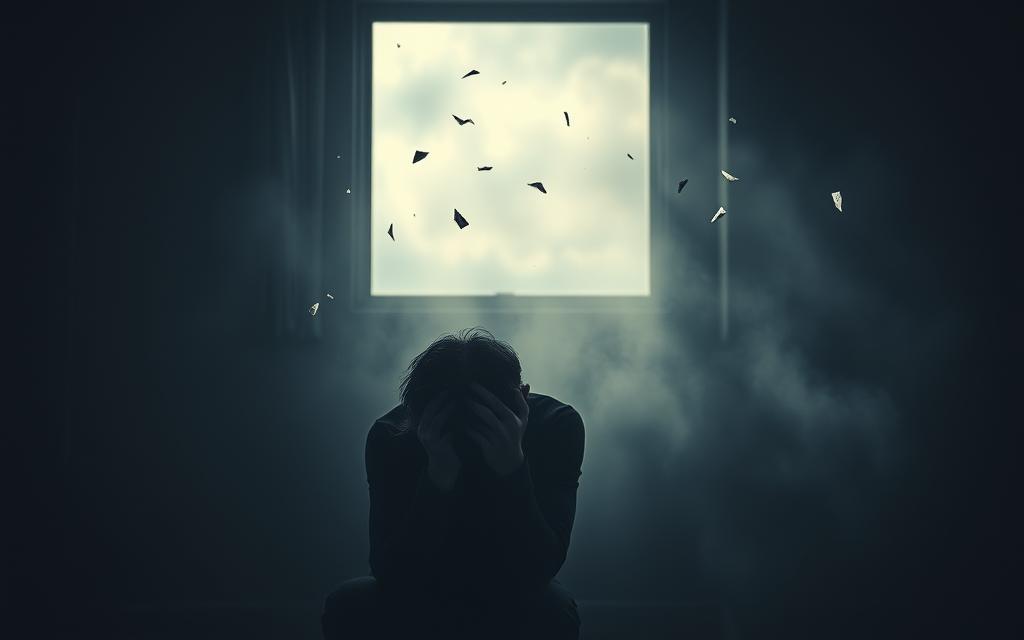
Research shows 68% of couples who address each phase intentionally report stronger bonds later. Small steps matter—like setting boundaries or journaling feelings.
The Role of Trust and Vulnerability
Rebuilding trust starts with consistent actions, not promises. A partner arriving home on time 10 days straight does more than grand gestures. Vulnerability becomes the bridge. As Dr. Brené Brown notes, “True connection requires risking emotional exposure.”
This might mean sharing fears about future intimacy or admitting past mistakes. It’s messy, but studies reveal 54% of relationships regain closeness when both parties embrace openness. Progress isn’t linear, but every honest conversation lays another stone toward healing.
Psychological Effects on Relationships and Personal Well-Being
Betrayal in relationships often leaves invisible scars that reshape lives long after the affair ends. Psych Central reports 60% of affected individuals develop chronic anxiety, while 42% experience clinical depression. Daily routines like work or childcare become battlegrounds for intrusive thoughts, with many struggling to focus on basic tasks.
How Infidelity Impacts Mental Health and Daily Life
The ripple effects extend far beyond initial heartbreak. Sleep patterns crumble—35% report insomnia lasting over six months. Appetite changes and social withdrawal often follow. “I’d stare at my computer screen for hours, unable to form sentences,” shared one marketing director in therapy.
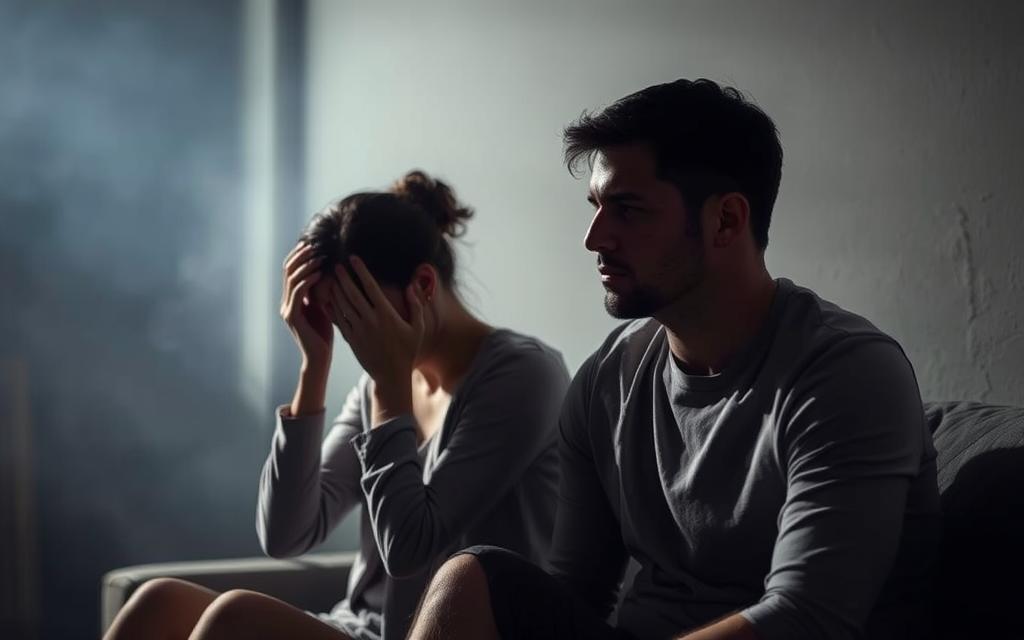
- Memory gaps about shared experiences
- Hypervigilance in checking a partner’s phone
- Decision fatigue from constant emotional processing
Long-Term Relationship Struggles and Trust Issues
Rebuilding becomes a marathon, not a sprint. Even couples who stay together face hurdles—45% report lingering doubts during milestones like anniversaries. Trust issues often manifest as:
- Resistance to future commitments
- Overanalyzing innocent interactions
- Fear of vulnerability in new relationships
Dr. Lisa Marie Bobby’s research shows it takes 18-24 months for most couples to stabilize post-crisis. Early recognition of these patterns—like sudden irritability or withdrawal from friends—can prompt timely support. Healing begins when we name what’s happening, then take deliberate steps forward.
Mental Health Challenges: Anxiety, Depression, and PTSD-Like Symptoms
When trust shatters in a relationship, the mind and body react in ways that feel overwhelming. Betrayal doesn’t just hurt emotionally—it alters brain chemistry. Studies show cheating disrupts dopamine (the “reward” chemical) and oxytocin (the “bonding” hormone), leaving many feeling disconnected or numb. This biological shift often fuels anxiety loops and depressive episodes.

Understanding Brain Chemistry and Trauma Response
Dr. Sabrina Romanoff explains that betrayal activates the brain’s threat detection system, much like physical danger. Cortisol levels spike, triggering hypervigilance or panic attacks. Over time, this stress can rewire neural pathways, making it harder to regulate emotions. “Your body stays stuck in survival mode,” she notes. Research links prolonged exposure to relationship stress with a 40% increase in inflammation markers, worsening physical health.
Recognizing Behavioral and Sleep Disruptions
Common signs include insomnia, appetite changes, or avoiding social events. Many report replaying conversations or checking a partner’s location obsessively. A 2023 study found 58% of betrayed individuals develop sleep disorders within three months. Nightmares and fatigue then amplify daytime anxiety, creating a exhausting cycle.
These reactions are normal responses to trauma—not personal failures. If you notice persistent sadness, racing thoughts, or withdrawal from hobbies, consider reaching out for mental health support. Early intervention with therapy or recovery strategies can help reset your nervous system. Healing starts when you honor what your mind and body need to feel safe again.
Therapeutic Options and Tools for Healing
Rebuilding after betrayal is possible with the right strategies. Whether you’re working through infidelity alone or with a partner, combining professional guidance and personal practices can create lasting change. Let’s explore approaches that help you regain footing—one step at a time.

Professional Therapy and Community Support
Working with a licensed therapist provides a safe space to process complex emotions. Many couples find online platforms like BetterHelp or Regain useful for flexible sessions. Support groups—both local and virtual—connect you with others who understand the struggle. These networks remind you that healing isn’t a solo journey.
Self-care routines also play a key role. Simple habits like morning walks or meditation can steady your mind. A 2023 study found that people who practiced daily mindfulness reported 30% less anxiety about relationship triggers.
Rewiring Thoughts and Honoring Feelings
Cognitive restructuring helps replace negative thought patterns. For example, shifting from “I’ll never trust again” to “I’m learning to trust myself first.” Trauma-informed therapy takes this further by validating your experience without judgment. Techniques like EMDR or somatic therapy address how betrayal lives in both mind and body.
Progress takes time, but small wins add up. If you’re ready to begin, consider exploring resources for reclaiming trust. Every conversation, therapy session, or quiet moment of self-care plants seeds for renewal.
Navigating Recovery: Steps Toward Healing and Rebuilding Trust
Healing after betrayal requires both courage and concrete steps. Recovery isn’t linear—it’s a process of small wins and occasional setbacks. Let’s explore practical ways to rebuild your life while honoring your needs.

Practical Strategies for Emotional Recovery
Start with daily grounding practices. Sarah, a client who rebuilt her life post-cheating, began with 10-minute morning journaling. She wrote three things she valued about herself—a simple habit that shifted her focus from “Why did this happen?” to “What can I control today?”
Key steps include:
- Name your emotions: Label feelings like anger or grief without judgment
- Create a support circle: Identify 2-3 people who listen without pushing advice
- Set micro-goals: “I’ll cook one healthy meal this week” builds momentum
Therapy tools like CBT help reframe negative thoughts. Research shows 63% of individuals using these techniques report improved sleep within eight weeks.
Rebuilding Self-Confidence and Establishing New Boundaries
Trust grows when actions match words. Mark, who stayed in his relationship, implemented “accountability checks” with his partner. They shared phone passwords temporarily—not as surveillance, but as agreed-upon transparency.
Healthy boundaries might look like:
- Saying no to discussions about the affair after 8 PM
- Requesting solo time for hobbies twice weekly
- Defining deal-breakers for future behavior
Support groups like Psychology Today’s local networks provide community. Remember: Healing isn’t about forgetting—it’s about building resilience to move forward with clarity.
Conclusion
Healing from betrayal is a journey that demands patience and self-compassion. While infidelity reshapes relationships and mental health—triggering anxiety, depression, or stress disorders—studies show structured support fosters recovery. Therapy helps untangle complex emotions, and small daily acts rebuild a sense of control.
Key strategies like setting boundaries or joining support groups create stability. Research confirms 63% of people using professional guidance report fewer intrusive thoughts within months. Trust grows gradually through consistent actions, not rushed promises.
Your feelings are valid, and seeking help isn’t weakness—it’s courage. Whether working with a therapist or leaning on trusted friends, progress happens step by step. Many couples rebuild intimacy, while others find peace in new beginnings.
If you’re struggling, explore resources for healing. Brighter days await when you honor your needs and move forward with care.