
When promises in a relationship break, it leaves more than just cracks—it shakes trust to its core. Infidelity, often described as a breach of commitment to faithfulness, isn’t just about physical actions. It’s a complex mix of emotions, choices, and consequences that ripple through lives.
Why do people cross lines they vowed to respect? How do partners navigate the storm of betrayal? These questions haunt many facing unfaithfulness. The pain isn’t just immediate—it can reshape how individuals view love, security, and future connections.
Exploring the psychology behind these actions helps unravel why some stray. Emotional gaps, unmet needs, or impulsive decisions often play roles. But the aftermath—rebuilding trust or walking away—is equally critical to dissect.
This article digs into the layers of infidelity, from its triggers to its long-term effects. We’ll explore how relationships evolve (or crumble) after betrayal and what science says about healing. Let’s walk through this delicate topic with empathy and clarity, one step at a time.
Introduction: The Impact of Cheating on Relationships
Betrayal in love doesn’t just hurt—it rewrites the rules of connection. Cheating, infidelity, and betrayal are often used interchangeably, but they hold distinct meanings. Cheating refers to breaking agreed-upon relationship rules, while infidelity involves emotional or physical betrayal. Betrayal is the violation of trust that leaves partners questioning their reality.

When Trust Cracks, Everything Shifts
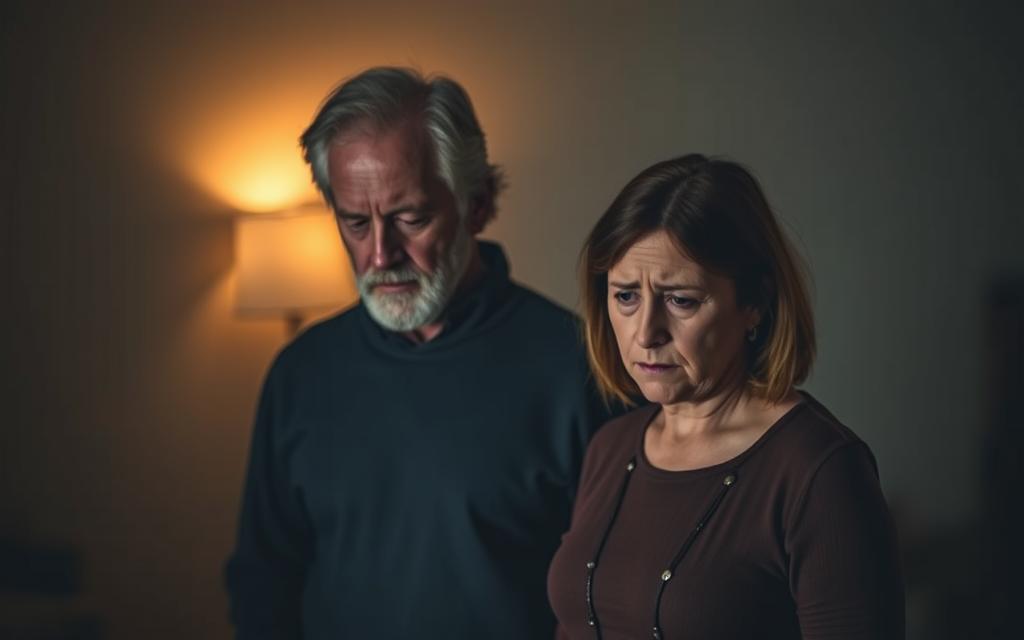
The immediate aftermath of infidelity often includes shock, anger, and deep sadness. Partners may struggle with self-doubt, wondering, “Was I not enough?” Over time, these feelings can morph into anxiety or difficulty trusting future relationships. Families face ripple effects too—children might sense tension, altering their view of stability.
Why Some Wounds Never Fully Heal
Infidelity doesn’t just damage individual feelings—it warps relationship dynamics. Conversations become minefields, and simple gestures lose their innocence. Research shows enabling behaviors, like avoiding conflict or ignoring red flags, can let small betrayals grow into full-blown affairs. For example, a partner dismissing late-night texts as “harmless” might unknowingly fuel emotional distance.
Rebuilding after betrayal demands raw honesty and patience. Yet, even healed scars remind us: trust, once broken, becomes a fragile gift.
Psychological Theories Behind Cheating Behavior
The roots of infidelity often lie in unmet psychological needs and fractured connections. While every situation differs, research highlights patterns that explain why some prioritize fleeting desires over commitment. Let’s unpack two frameworks that reveal how personal maturity and relationship health shape these choices.
Self-Gratification and the Maturity Gap
Emotional immaturity frequently drives destructive actions. People who struggle to delay gratification may chase short-term highs, even if it harms others. This “me-first” mindset often stems from unresolved personal problems, like low self-esteem or fear of vulnerability.
For example, some men justify affairs by compartmentalizing—viewing physical encounters as separate from emotional bonds. This mental split lets them avoid confronting deeper insecurities. Over time, repeated self-indulgence erodes trust and accountability.
Linking Infidelity to Failing Relationship Dynamics
Strained partnerships create fertile ground for betrayal. When communication breaks down, partners might seek validation elsewhere. A cycle of neglect, criticism, or emotional distance can push individuals toward external sources of comfort.
Studies show men often frame cheating as a reaction to unmet needs rather than intentional harm. However, avoiding tough conversations about intimacy gaps only deepens disconnection. Without addressing these cracks, even small temptations can spiral into major breaches.
Understanding Cheating Behavior: Motivations and Patterns
Choices that fracture relationships often start with whispers, not earthquakes. Behind impulsive actions lies a tangle of unmet desires and fading connections. Let’s explore two common threads that unravel commitment.

Oversized Need for Immediate Gratification
Ever grab a donut instead of meal-prepping? That same “now over later” mindset fuels some betrayals. When short-term thrills overshadow long-term love, people might chase validation through flirty texts or secret meetups. Poor boundaries—like brushing off late-night chats with coworkers—act as stepping stones toward bigger risks.
Think of it like binge-watching TV instead of hitting the gym. The immediate rush feels great, but the consequences pile up quietly. Over time, these choices erode trust and leave partners wondering, “Was our life together just background noise?”
Lack of Real Intimacy in Failing Relationships
True intimacy isn’t just candlelit dinners—it’s feeling safe enough to share fears or flaws. When couples become roommates who split bills but not dreams, emotional gaps widen. One might seek connection elsewhere, mistaking surface-level attention for depth.
Imagine watering a fake plant while the real one withers. Without nurturing vulnerability, relationships starve. The pain of this emptiness often pushes people toward quick fixes that never satisfy. Sadly, those fixes can cost them the life they once cherished.
Relationship Dynamics and the Role of Trust
The strength of a connection lies not in grand gestures but in the quiet assurance of trust. When that foundation cracks, partners risk drifting into patterns that normalize betrayal. Enabling behaviors—like excusing dishonesty or avoiding tough conversations—act as silent accomplices to infidelity.

How Enabling Behaviors Allow Infidelity
Overlooking red flags, such as secretive phone habits or unexplained absences, sends a dangerous message: “I’ll tolerate this.” Partners who repeatedly forgive lying or flirting without consequences create space for bigger betrayals. For instance, covering for a spouse’s late-night “work meetings” might shield their image but erode mutual respect.
Accountability keeps relationships healthy. Without it, love becomes a one-sided effort. Setting clear boundaries—like agreeing on transparency with friendships—helps partners protect their bond.
Impact on Family, Friends, and Long-Term Commitments
When trust shatters, the fallout spreads beyond couples. Kids sense tension, even if parents hide arguments. They might blame themselves or struggle with future relationships. Extended family often takes sides, fracturing support systems.
Rebuilding starts with small, consistent actions. Prioritizing quality time, openly discussing feelings, and seeking counseling can mend gaps. Love isn’t enough—it takes courage to choose connection daily, even when scars linger.
Gender Differences and Compartmentalization in Cheating
Society often treats betrayal differently based on gender—a reality shaping how men and women process infidelity. While cultural norms influence both sexes, research reveals distinct patterns in how men mentally separate their actions from their identity. This psychological split, called compartmentalization, lets some avoid confronting the full impact of their choices.

How Men Split Actions From Identity
Many men describe affairs as isolated moments disconnected from their primary relationship. They might say, “It didn’t mean anything”—a phrase reflecting their ability to box off emotions. Studies suggest this tendency links to masculine socialization, where boys learn to suppress vulnerability. Phrases like “walk it off” or “man up” train them to prioritize logic over emotional accountability.
Cultural Scripts That Shape Justifications
From movies to locker-room talk, men receive subtle messages that equate conquests with status. A recent study found 63% of men who cheated viewed their actions as “physical needs,” not emotional betrayal. Women, meanwhile, often tie infidelity to relational dissatisfaction. These differences stem from childhood: girls are encouraged to nurture connections, while boys learn to compartmentalize.
This split explains why some men claim they “didn’t think about you” during affairs. By framing actions as momentary lapses, they sidestep guilt. Yet partners left behind grapple with a haunting truth: love alone can’t bridge gaps created by unexamined norms.
Societal and Cultural Influences on Cheating
Infidelity doesn’t happen in a vacuum—it’s often a mirror reflecting societal values and imbalances. Cultural scripts quietly shape what people view as acceptable, even when vows are broken. From workplace hierarchies to media portrayals, external forces often nudge individuals toward choices that fracture trust.

Power Dynamics, Social Status, and the Cheating Narrative
In many cultures, power imbalances normalize certain betrayals. Leaders or high-earning partners might justify affairs as a “perk” of their position. This creates a dangerous loop where privilege shields accountability, letting harmful patterns repeat.
Consider how some societies frame male infidelity as “boys being boys,” while women face harsher judgment. These double standards influence how two people navigate secrecy. One partner might hide actions fearing backlash, while the other leverages social clout to avoid consequences.
Love stories in films and books also play a role. Romanticizing affairs as passionate escapes ignores the real wreckage left behind. When media glorifies forbidden connections, it subtly shifts perceptions of commitment. Over time, this can make betrayal feel like a valid way to cope with loneliness or boredom.
Healing starts by recognizing these invisible pressures. Addressing systemic norms—not just personal choices—helps build relationships rooted in mutual respect, not outdated scripts.
Pathways to Healing and Forgiveness after Betrayal
Rebuilding after infidelity isn’t about erasing pain but learning to walk through it. The journey demands courage, self-compassion, and a willingness to face hard truths—whether you stay or leave. Small, intentional steps can light the way toward clarity and peace.
Rebuilding Trust and Finding Personal Clarity
Start by naming what hurts. If your partner cheated, express your anger or grief without shame. Then, ask: “What do I need to feel safe again?” Maybe it’s shared passwords or weekly check-ins. Progress often looks like:
- Setting non-negotiable boundaries (e.g., cutting contact with the third party)
- Journaling to untangle conflicting emotions
- Creating space for joy outside the relationship
Remember, someone who’s likely to cheat repeatedly often avoids accountability. True change requires consistent effort from both sides.
Professional Guidance and Steps Toward Recovery
Don’t navigate this alone. Betrayal recovery experts help couples dismantle harmful patterns and rebuild communication. Individual therapy also matters—it teaches you to spot red flags if your partner would ever stray again.
Even though society claims forgiveness erases pain, it’s okay to heal at your pace. Some days feel like setbacks. Others reveal growth. What matters is choosing tools—like support groups or mindfulness—that anchor you in the present.
Healing isn’t linear. But with time and support, you’ll rediscover strength you didn’t know you had.
Conclusion
Healing from broken trust isn’t about erasing the past—it’s about rewriting the future with clearer eyes. Infidelity often stems from unmet emotional needs, cultural norms, or a partner’s struggle to prioritize long-term bonds over quick fixes. Men may mentally separate their actions from their identity, while women frequently tie betrayal to relational gaps.
Rebuilding requires raw honesty. Open communication, clear boundaries, and professional support help couples navigate the messy middle. Small steps—like weekly check-ins or shared goals—rebuild fractured connections over time.
While pain lingers, many relationships emerge stronger. Understanding the reasons behind straying doesn’t excuse harm, but it lights a path forward. With patience and courage, partners can transform betrayal into a catalyst for deeper intimacy.
Love alone won’t fix everything. Yet when both people choose growth daily, even scarred hearts find healing. The journey is hard, but renewal remains possible—one honest moment at a time.